
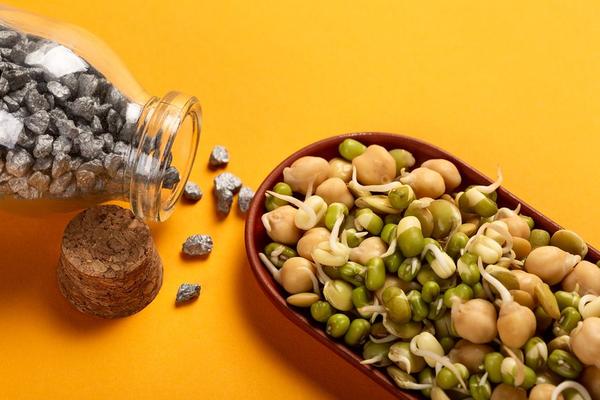
A well-planned vegan diet can provide plenty of iron, but vitamin B12 needs more deliberate attention. Iron occurs naturally in many plant foods, while reliable vegan B12 comes mainly from fortified foods and supplements. Understanding that difference makes it much easier to prevent avoidable nutrient gaps.
The goal is not to find one “superfood.” A better approach is to build repeatable meals around strong plant based iron sources, use simple habits that improve iron absorption, and make B12 a dependable part of your routine. Low iron stores and vitamin B12 deficiency can both contribute to tiredness and weakness, but they have different causes and need different strategies.
Why iron and B12 need different planning
Plant foods contain non-haem iron, the form found in beans, lentils, tofu, whole grains, nuts, seeds, green vegetables and fortified cereals. Your body can use it, although absorption is generally lower and more variable than with haem iron from animal foods. That does not make a vegan diet inadequate; it simply makes food choice and meal composition more important.
Vitamin B12 is different. Unfortified fruit, vegetables, grains, beans, nuts and seeds are not reliable sources of active B12. Fermented foods, seaweed and similar products are sometimes promoted as vegan B12 foods, but their B12 content can be absent or inconsistent. Fortified foods and supplements are the dependable options.
Best plant based iron sources
Legumes are among the most useful everyday choices. Lentils, chickpeas, kidney beans, black beans and white beans work in curries, soups, salads, wraps and pasta sauces. Tofu and tempeh also contribute iron while making it easier to build a satisfying, protein-rich meal.
Nuts and seeds can add useful amounts across the day. Pumpkin seeds, sesame or tahini and cashews fit into porridge, salads, sauces and snacks. Wholemeal bread, oats and other whole grains contribute too, while many breakfast cereals contain added iron.
Green vegetables such as broccoli, spring greens and watercress can help, but they are best treated as part of a varied pattern rather than your only strategy. Spinach contains iron, yet it also contains compounds that limit how much is absorbed. A mix of legumes, fortified grains, vegetables, nuts and seeds is more dependable than relying heavily on one food.
Make plant iron easier to absorb
One of the simplest improvements is to eat vitamin C with an iron-rich meal. Peppers, tomatoes, citrus fruit, berries, kiwi and broccoli are easy options. Vitamin C helps your body absorb non-haem iron more effectively.
For a practical example, consider a lentil chilli. The lentils provide iron; adding red pepper and tomatoes, then finishing with lime juice, supplies vitamin C in the same meal. At breakfast, iron-fortified cereal served with berries follows the same principle without requiring any complicated tracking.
Tea and coffee can reduce non-haem iron absorption because they contain polyphenols. If iron status is a concern, avoid making them the default drink with your main iron-rich meals. Having them between meals instead is a simple adjustment.
Reliable vegan sources of vitamin B12
Fortified products are the key food-based sources. Depending on what is sold where you live, useful options may include fortified breakfast cereals, fortified unsweetened soya drinks or other plant milks, fortified nutritional yeast and fortified yeast extracts.
The word “fortified” matters. Similar-looking products can contain very different amounts of B12, and an organic or “natural” product is not automatically a source. Check the nutrition label rather than assuming a plant milk or nutritional yeast contains B12. Manufacturers can also change recipes, so it is worth checking products you buy regularly.
A practical routine might combine fortified cereal and fortified plant milk at breakfast, with fortified nutritional yeast used in a savoury meal later. However, fortification levels vary. If you cannot consistently obtain enough from fortified foods, a reliable B12 supplement is a sensible part of vegan nutrition. For exact dosing, follow the product guidance or advice from a qualified clinician or dietitian, especially if deficiency has already been diagnosed.
A simple daily pattern for iron and B12
Instead of tracking every bite, use a few repeatable anchors. Include a substantial iron source at two or three meals, pair at least one iron-rich meal with vitamin C, and make sure B12 comes from a clearly fortified food or an appropriate supplement routine.
A day could start with fortified cereal, fortified plant milk and berries. Lunch might be a chickpea and pepper wrap, while dinner could combine tofu, broccoli and whole grains. Pumpkin seeds or cashews can add extra iron as snacks. This pattern also fits naturally into a balanced vegan meal plan and reduces the chance of common vegan nutrient deficiencies.
Useful related topics for internal reading include balanced vegan meal plan, guide to vegan micronutrients, and high-protein vegan foods. Those subjects help place iron and B12 within the bigger picture of calcium, iodine, vitamin D, protein and other nutrients that deserve attention on a plant-based diet.
When food planning may not be enough
People with heavy menstrual bleeding, pregnancy, gastrointestinal conditions, previous gastrointestinal surgery or other factors that affect absorption may need more personalised guidance. Persistent fatigue, unusual weakness, shortness of breath, numbness or tingling should not automatically be blamed on diet. Blood tests can help distinguish iron deficiency from B12 deficiency and other causes.
Iron supplements should not be taken casually just because you eat vegan. Excess iron can be harmful, and the right treatment depends on why levels are low. B12 is different because reliable natural plant sources are lacking, but treating an established deficiency still deserves appropriate medical guidance.
FAQ
Can vegans get enough iron without supplements?
Many can. Beans, lentils, tofu, fortified cereals, whole grains, nuts, seeds and green vegetables can provide substantial iron. Pairing iron-rich meals with vitamin C can improve absorption. Supplements may be needed when blood tests show deficiency or individual requirements are higher.
What are the most reliable vegan B12 foods?
Fortified breakfast cereals, fortified plant milks, fortified nutritional yeast and some fortified yeast extracts can provide B12. Always check the label because unfortified versions are not dependable sources.
Is nutritional yeast always a source of B12?
No. Nutritional yeast provides B12 only when it has been fortified. Some products contain added B12 and others do not, so the nutrition panel is more useful than the product name.
Can iron and B12 deficiency feel similar?
Yes. Both can be associated with tiredness and weakness, but they are different problems. B12 deficiency can also affect the nervous system. If symptoms persist, testing is more reliable than trying to identify the cause from symptoms alone.
Keep the routine dependable
The most useful vegan iron and B12 strategy is practical: eat legumes, tofu, whole grains, nuts, seeds and vegetables regularly; add vitamin C to iron-rich meals; and use fortified foods or supplements as a reliable source of B12. These habits address two common nutrition concerns without making everyday eating unnecessarily complicated. Consistency matters more than perfection, and a simple routine is far easier to sustain than constantly chasing individual nutrients.