
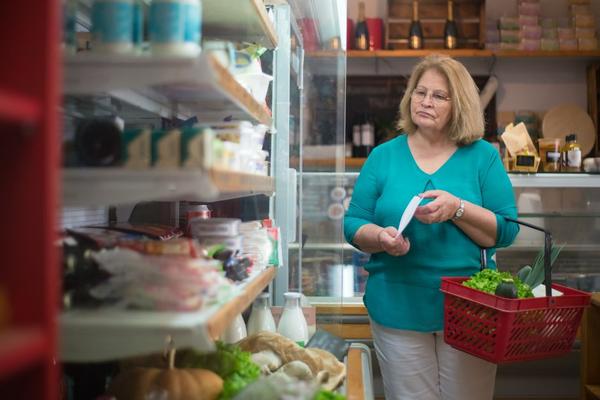
A well-planned Mediterranean diet grocery list makes healthy eating feel less like a project and more like a normal weekly shop. Instead of chasing specialist ingredients, you build meals around familiar foods: vegetables, fruit, beans, whole grains, fish, yoghurt, nuts and olive oil. The aim is not to recreate every dish from Greece, Italy or Spain, but to stock flexible ingredients for quick breakfasts, lunches, dinners and snacks.
Use this guide as a master Mediterranean diet shopping list, then adjust quantities for your household. Prioritise foods that work in several meals. A punnet of tomatoes, for example, can go into salads, pasta sauce, omelettes and traybakes, reducing waste and making meal prep easier.
Fresh vegetables to put first in your trolley
Vegetables form the backbone of Mediterranean-style eating, so give them the largest share of your shop. Useful staples include tomatoes, cucumbers, peppers, courgettes, aubergines, onions, garlic, carrots, mushrooms, broccoli, cauliflower, spinach, kale, lettuce, rocket and green beans. Potatoes and sweet potatoes are useful for roasting, soups and substantial salads.
Fresh herbs such as parsley, basil, mint, dill and rosemary add flavour without relying heavily on salt. Frozen spinach, peas, mixed vegetables and broccoli are also convenient and less likely to be wasted. Jarred roasted peppers and artichokes can help on busy days, although it is sensible to compare salt levels.
Fruit for breakfasts, desserts and snacks
Build your healthy grocery list around fruit you genuinely enjoy. Apples, pears, oranges, grapes, berries, melon, peaches, plums, bananas and figs all fit naturally. Fresh, frozen and canned fruit can be useful; choose canned fruit in juice rather than syrup where possible.
Lemons are especially valuable because they brighten fish, beans, salads, grains and roasted vegetables. Dried fruit such as dates or apricots can add sweetness to porridge or yoghurt, but keep portions modest because dried fruit is concentrated.
Whole grains and high-fibre carbohydrates
Mediterranean pantry staples should include a few whole-grain options. Add oats, wholemeal bread, brown rice, wholewheat pasta, barley, bulgur wheat, couscous or quinoa according to your preferences and budget.
These foods create easy meal bases. Try bulgur with chickpeas and herbs, brown rice with roasted vegetables and salmon, or wholewheat pasta with tomatoes, spinach and white beans. Higher-fibre choices are practical for everyday meals and often feel more filling.
Beans, lentils and plant proteins
Beans and pulses are affordable, filling and easy to store. Keep chickpeas, cannellini beans, butter beans, kidney beans, green or brown lentils and red lentils on hand. Tinned versions save time; draining and rinsing them can remove some of the salt from the liquid.
Use chickpeas in salads and hummus, white beans in soups or tomato stews, and lentils in warm grain bowls or vegetable sauces. Planning two bean-based dinners each week is an easy way to make the shop cheaper while increasing variety.
Fish, poultry, eggs and occasional meat
Choose a mix of fresh, frozen and tinned seafood. Salmon, sardines, mackerel, trout, tuna, prawns and white fish are versatile. UK healthy-eating guidance recommends at least two portions of fish a week, including one portion of oily fish. Tinned sardines or mackerel can make that goal more affordable.
Eggs and chicken are convenient for quick meals, with turkey as another option. Red and processed meats are not completely excluded, but they are generally less prominent, so buy smaller amounts and use them less often than fish, beans or poultry.
Dairy and alternatives
Plain yoghurt is one of the most adaptable purchases on the list. Serve it with fruit and nuts, turn it into a dip, or spoon it beside roasted vegetables. Milk, kefir and modest amounts of feta, mozzarella, ricotta or Parmesan can also fit.
Choose plain or lower-sugar products more often, and check that plant-based alternatives are fortified if they regularly replace dairy. Cheese has a strong flavour, so a small amount crumbled over salad or pasta can go a long way.
Healthy fats, nuts and seeds
Olive oil is a classic choice for dressings and cooking, while rapeseed oil is another practical option. Unsaturated oils are preferable to relying mainly on butter, ghee or lard, although all oils are high in energy and are best used in sensible amounts.
Add unsalted almonds, walnuts, pistachios or hazelnuts, plus pumpkin, sesame, chia or flax seeds. Nuts make an easy snack and add texture to salads, yoghurt and porridge. Tahini and natural nut butter are useful cupboard staples.
Flavour builders for a useful pantry
Stock tinned tomatoes, tomato purée, olives, capers, vinegar, low-salt stock, garlic, dried oregano, basil, thyme, cumin, paprika, cinnamon and black pepper. These ingredients help the same vegetables, beans and grains taste different throughout the week.
Compare labels for salt and added sugar where relevant. Wine is not a required part of Mediterranean-style eating, so there is no need to add it to your trolley for health reasons.
A realistic one-week starter shop
For one or two people, a practical basket could include tomatoes, peppers, courgettes, onions, spinach, salad leaves, carrots, broccoli, lemons, apples, berries and bananas; oats, wholemeal bread and brown rice; chickpeas, lentils and tinned tomatoes; eggs, chicken, salmon and tinned sardines; plain yoghurt, feta, olive oil, walnuts and dried herbs.
That shop can become porridge with berries, chickpea salad sandwiches, lentil soup, salmon with rice and broccoli, vegetable omelettes and a chicken traybake. Before shopping, check your cupboards, choose three main dinners and deliberately reuse ingredients across them. This keeps your Mediterranean diet shopping list practical, affordable and low-waste.
For more planning support, pair this guide with our Mediterranean meal plan, easy Mediterranean breakfast ideas and healthy meal-prep guide.
Frequently asked questions
What should I buy first when starting?
Start with olive oil, oats or whole grains, two types of beans, vegetables, fruit, eggs, plain yoghurt, nuts and one or two fish options. You do not need to replace your entire kitchen in one shop.
Can I use frozen and tinned foods?
Yes. Frozen vegetables, frozen fruit, tinned tomatoes, beans and fish are convenient choices. Check labels for added sugar and salt, and rinse tinned beans before using them.
Is bread allowed?
Yes. Bread can be included, with wholemeal or higher-fibre varieties being useful everyday choices. Serve it with vegetables, hummus, eggs, fish or olive-oil-based dishes.
How can I keep the list affordable?
Use seasonal produce, frozen vegetables, tinned fish, pulses and supermarket-brand whole grains. Plan meals that share ingredients, and buy speciality cheeses, nuts and olives in smaller quantities.
Shop for flexible meals, not perfection
The best Mediterranean diet grocery list is not the longest one. It is the list that helps you cook balanced meals consistently without wasting food. Fill most of your trolley with plant foods, add practical proteins, choose whole grains and keep flavourful pantry staples ready. With a little planning, the same ingredients can support a varied week of breakfasts, lunches and dinners.