
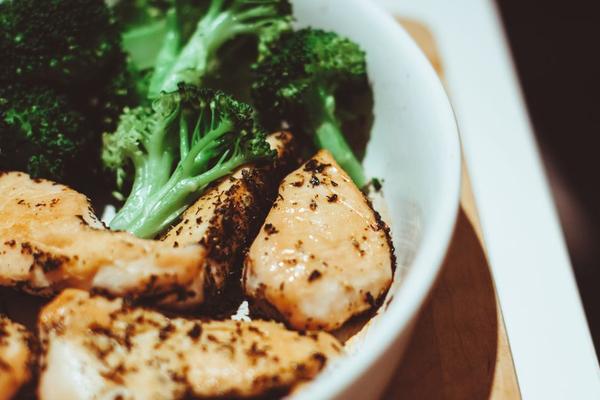
A smaller appetite can make ordinary meals feel unexpectedly difficult. People using GLP-1 or related weight-management medicines often feel full sooner and for longer. Eating less can support weight loss, but it also means every mouthful needs to provide useful nutrition.
Protein deserves particular attention because it helps maintain and repair body tissues, including muscle. During weight loss, the body can lose lean tissue as well as fat, so choosing high protein foods for smaller appetite can make reduced portions more effective. The aim is not to force down a large plate. It is to build small, balanced meals around protein-rich foods that are comfortable to eat.
Why protein matters when portions shrink
Protein supports muscle maintenance, recovery and normal immune function. It can also make a meal more satisfying. NHS guidance recommends including protein foods such as beans, pulses, fish, eggs and lean meat within a balanced diet. NHS services supporting people on weight-loss medicines also stress adequate nutrition and muscle-strengthening activity.
There is no single protein target for everyone. Needs vary with body size, age, activity, health conditions and the speed of weight loss. People with kidney disease, liver disease, diabetes, a history of disordered eating or other medical needs should ask a GP or dietitian for personalised advice rather than starting a high-protein plan independently.
Best high-protein foods for a smaller appetite
Greek yoghurt, skyr and cottage cheese
Thick yoghurt, skyr and cottage cheese provide protein in a soft, compact form that is often easier than a full cooked meal. Add berries, stewed fruit or a little oats for variety. A spoonful of nut butter or milk powder can raise the energy and protein content without greatly increasing the serving size.
These foods work at breakfast, as a snack or as the base of a savoury dip. Serve a few spoonfuls and return for more later if needed.
Eggs in easy-to-eat forms
Eggs are versatile muscle preserving foods that do not require a bulky meal. Scrambled eggs, a small omelette, boiled eggs or egg mayonnaise on toast all work well. Adding grated cheese to scrambled eggs increases protein and energy with little extra volume. If cooking smells worsen nausea, a cold boiled egg may be easier.
Fish, chicken and tender meats
Fish is nutrient-dense and may feel lighter than a large meat portion. Tinned tuna or salmon can be mixed with yoghurt or mayonnaise for a soft filling, while sardines on toast provide protein and beneficial fats. NHS guidance advises two portions of fish a week, including one portion of oily fish, for people who eat fish.
Small amounts of shredded chicken, turkey or slow-cooked lean meat can be stirred into soup, mashed potato, pasta or a soft wrap. This “add rather than enlarge” approach is helpful for appetite loss nutrition because it enriches a familiar dish without creating an intimidating plate.
Tofu, beans and lentils
Plant proteins can work well, although high-fibre foods may feel filling quickly. Silken tofu blends smoothly into soups and sauces, while firm tofu, tempeh or edamame can be served in small amounts. Hummus adds protein to crackers or toast.
Beans and lentils provide protein, fibre and minerals, but a large bowl may be too much. Start with a few spoonfuls added to soup, curry or minced meat. Increase fibre gradually if needed.
Milk and nourishing drinks
Milk can be easier to manage than another meal. A small milky coffee, smoothie or glass of milk between meals contributes protein and fluid. Adding skimmed milk powder to milk, porridge or soup is an established NHS dietetic strategy for increasing protein and energy without larger portions.
A commercial protein shake may be convenient, but it should not routinely replace balanced meals. Check the label and ask a healthcare professional for advice if you take medicines, have a medical condition or are struggling to meet your nutritional needs.
How to get more protein from small portions
Start with the protein food when your appetite is strongest, then eat vegetables and starchy foods according to comfort. This does not mean removing carbohydrates or produce; both remain important. It simply reduces the chance that drinks or a large serving of low-protein food fills you before you reach the protein-rich part of the meal.
Eating little and often can be easier than relying on three large meals. Try a small meal or nourishing snack every few hours, such as yoghurt, cheese and crackers, an egg, hummus on toast or lentil soup. Keep simple options visible and ready.
Use compact additions: stir milk powder into porridge, add cheese to eggs, blend yoghurt into a smoothie, mix tuna into a small potato, or spread nut butter on toast. If drinks make you feel full, have most fluids between meals rather than immediately before eating. Continue drinking enough overall, especially if digestive side effects are present.
Protecting muscle takes more than protein
Protein works best alongside regular movement. Adults are generally advised to include muscle-strengthening activity on at least two days a week, adapted to ability and medical advice. Resistance bands, controlled bodyweight exercises, weights and everyday lifting can all challenge muscles.
Watch for signs that a reduced appetite is becoming a nutritional problem. Ongoing unintentional weight loss, worsening weakness, persistent vomiting, difficulty keeping fluids down or very limited food intake should be discussed promptly with a GP, prescribing team or registered dietitian. Malnutrition can occur at any body weight.
Frequently asked questions
What is an easy high-protein breakfast for a small appetite?
Greek yoghurt or skyr, scrambled eggs, cottage cheese on toast, or a small smoothie made with milk and yoghurt are practical options. Start with a modest serving and choose the texture and temperature you tolerate best.
Should I eat protein first when taking a GLP-1 medicine?
Prioritising the protein part of a balanced meal can help when you fill up quickly. Your overall diet still needs vegetables or fruit, starchy carbohydrates, healthy fats and sufficient fluid. Follow any individual plan given by your prescribing service.
Are protein bars useful when appetite is low?
They can be convenient, but some are large, very sweet or high in fibre and may worsen fullness. A smaller bar, yoghurt, cheese, eggs or milk may be easier. Check labels and choose an option that suits your health needs.
When should I seek professional help?
Ask for help if you are losing weight faster than expected, repeatedly missing meals, feeling weaker, vomiting, becoming dehydrated or unable to meet your nutritional needs. Personalised support matters when reduced appetite is linked to medicine or a medical condition.
Making every mouthful count
The best high protein foods for smaller appetite are those you can tolerate, enjoy and prepare consistently. Soft dairy foods, eggs, fish, tender meat, tofu, pulses and nourishing drinks offer flexible ways to increase protein without building a large plate. Keep portions small, eat regularly, enrich familiar foods and combine good nutrition with suitable strength activity. When appetite remains very low, early professional advice can help protect health and muscle while the cause is addressed.