
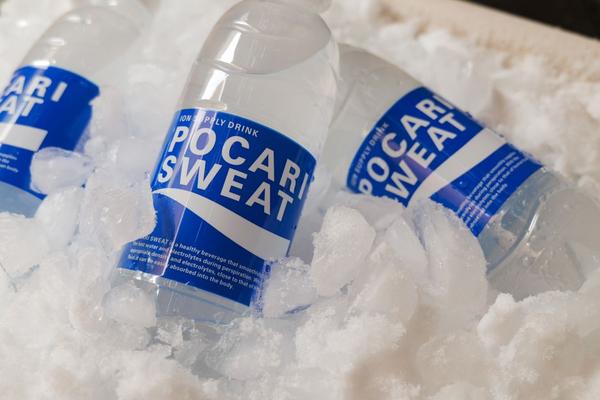
Weight-loss medications can make eating feel simpler, but drinking enough may unexpectedly become harder. GLP-1 medicines and related treatments often reduce appetite, slow stomach emptying, and sometimes cause nausea, vomiting, diarrhea, or constipation. When thirst cues are quieter or a large glass of water feels uncomfortable, fluid intake can slip without much notice. That is why hydration and electrolytes on weight loss medication deserve a deliberate plan rather than an occasional reminder to “drink more.”
The growing interest in electrolyte drinks among GLP-1 users makes sense, but more is not always better. Most people do not need a high-sodium sports drink every day. The goal is to maintain steady fluid intake, replace meaningful losses when they occur, and recognize when symptoms need medical attention.
Why hydration can become more challenging
Nausea and early fullness can make it difficult to drink normal amounts at meals. Vomiting and diarrhea can remove both water and electrolytes, while constipation may become worse when fluid intake falls. Some people also eat fewer water-rich foods because their overall food volume drops.
Dehydration is more than feeling thirsty. It may show up as a dry mouth, headache, fatigue, dizziness, dark urine, or urinating less often. Current prescribing information for commonly used weight-loss medicines warns that ongoing nausea, vomiting, or diarrhea can cause volume depletion and, in serious cases, contribute to kidney problems. Risk may be especially important when starting treatment or increasing the dose.
Build a steady drinking routine
Sip regularly instead of catching up
One of the most useful hydration tips is to spread fluids across the day. Large amounts taken quickly may worsen fullness, reflux, or nausea. Keep a bottle nearby and take small sips between meals, after waking, and during routine breaks. If plain water feels unappealing, try chilled water, warm water, sparkling water if tolerated, or water flavored with lemon, cucumber, mint, or a small splash of juice.
There is no single fluid target that suits everyone. Body size, climate, activity, pregnancy, medical conditions, and other medicines all affect needs. A practical everyday check is urine color: pale yellow generally suggests better hydration, while consistently dark urine may signal that intake is too low. This is only a guide, not a diagnostic test.
Separate drinks from larger meals if needed
When fullness is a problem, drinking a large beverage with food may make a small meal feel uncomfortably heavy. Try taking most fluids between meals while still sipping as needed during eating. Soups, yogurt, milk, smoothies, melon, berries, and other water-rich foods can also contribute, although sugary drinks should not become the main source of hydration.
When electrolytes may be useful
Electrolytes such as sodium and potassium help regulate fluid balance, nerve signaling, and muscle function. They are lost in sweat and in gastrointestinal fluids. An electrolyte drink may be useful after repeated vomiting or diarrhea, prolonged heavy sweating, intense exercise, or when a clinician recommends it. Oral rehydration solutions are designed with a specific balance of glucose and salts to support absorption and may be more appropriate than an ordinary sports drink during significant fluid loss.
For an ordinary low-activity day without vomiting, diarrhea, or heavy sweating, water and regular meals are often enough. Electrolytes do not directly increase fat loss, and routinely adding them “just in case” can mean unnecessary sodium, sugar, or sweeteners. Read labels carefully: some electrolyte drinks contain as much sugar as a soft drink, while highly concentrated powders can provide far more sodium than expected.
Choose products for the situation
For light daily use, look for a lower-sugar option with moderate sodium rather than the most concentrated endurance formula. During active vomiting or diarrhea, ask a pharmacist or clinician about a true oral rehydration product. Mix powders exactly as directed; making them overly concentrated can upset the intended balance.
People with kidney disease, heart failure, high blood pressure, diabetes, or conditions requiring fluid or sodium restriction should get personalized advice before using electrolyte products regularly. The same applies to anyone taking medicines that affect fluid balance, blood pressure, or potassium. “Sugar-free” does not automatically mean suitable for every medical condition.
Hydration habits that support side-effect management
A practical GLP-1 side effects nutrition routine pairs fluids with gentle, consistent eating. On nauseated days, small meals and bland foods may be easier to tolerate. Broth can provide fluid and sodium, while yogurt, fruit, or a light smoothie may add fluid plus nutrients. Avoid forcing a heavy meal or chugging water when the stomach already feels overfull.
Constipation usually requires more than water alone. Regular movement, sufficient dietary fiber, and an individualized bowel plan may all matter. Increase fiber gradually because a sudden jump without enough fluid can make bloating or constipation worse. If constipation is severe, persistent, or accompanied by significant pain or vomiting, contact the prescribing clinician rather than repeatedly self-treating.
It also helps to plan around dose changes. For several days after starting or escalating medication, keep easy-to-tolerate fluids available, monitor symptoms, and avoid becoming overheated. During exercise, begin hydrated and adjust intake for temperature, duration, and sweat loss rather than relying on thirst alone.
Know when to contact a healthcare professional
Call your prescriber promptly if nausea, vomiting, or diarrhea does not settle, if you cannot keep fluids down, or if side effects are stopping you from drinking normally. Seek urgent medical care for fainting, confusion, severe weakness, very little urine, persistent dizziness when standing, severe abdominal pain, blood in vomit or stool, or other signs of significant dehydration.
Do not stop or change the dose of a prescription medicine without professional guidance. Your clinician may need to review the dose, timing, other medications, kidney function, or treatment for side effects.
Frequently asked questions
Should everyone on a GLP-1 medication drink electrolytes daily?
No. Many people can meet their needs with water and balanced food. Electrolyte drinks are most useful when there are meaningful fluid and salt losses, such as vomiting, diarrhea, heavy sweating, or prolonged exercise, or when a clinician advises them.
Can electrolyte drinks prevent GLP-1 nausea?
They do not directly prevent nausea. Small, frequent sips may be easier to tolerate and can help replace losses, but persistent nausea should be discussed with the prescriber.
How can I tell if I am becoming dehydrated?
Watch for thirst, dry mouth, headache, fatigue, dizziness, dark urine, or urinating less often. Inability to keep fluids down, fainting, confusion, or very low urine output requires prompt medical assessment.
Are sugar-free electrolyte drinks always the best choice?
Not necessarily. They may reduce added sugar, but sodium, potassium, sweeteners, and concentration still matter. Choose according to your health needs and the reason you are using the drink.
Conclusion
Good hydration and electrolytes on weight loss medication are about consistency, not excess. Sip fluids throughout the day, use electrolyte drinks for a clear reason, and pay attention to urine, energy, dizziness, and gastrointestinal symptoms. A simple plan can reduce avoidable discomfort, but ongoing vomiting, diarrhea, or difficulty drinking should always be treated as a medical issue rather than something to push through alone.