
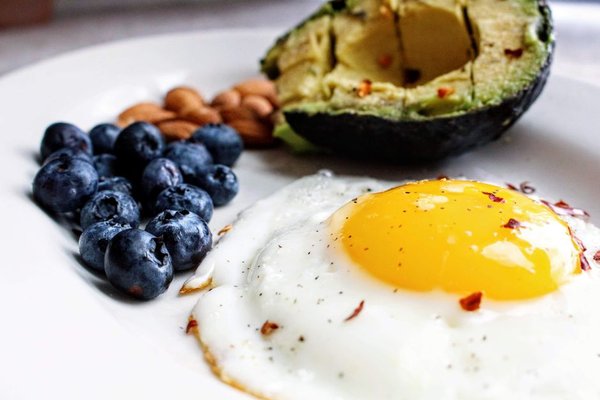
Starting keto is easier when you stop thinking in terms of endless “allowed” and “forbidden” foods and use a simple plate formula: choose a protein, add low-carb vegetables, then include a satisfying source of fat. This helps avoid a common beginner mistake—building every meal around bacon, butter, cheese, and very little fibre.
A ketogenic diet is a very-low-carbohydrate eating pattern designed to shift the body toward using fat and ketones for more of its energy. Many keto plans keep carbohydrate intake around 20 to 50 grams per day, although the exact amount varies. For beginners, focus on learning which everyday foods contain significant carbohydrate and making practical swaps.
Keto Diet Basics: What Belongs on Your Plate?
The core keto foods to eat are simple: eggs, fish, poultry, meat, tofu or another suitable protein; non-starchy vegetables; nuts and seeds; avocado; olives; and fats such as olive oil. Dairy can fit too, but portions matter because milk, yoghurt, and flavoured products may contain more carbohydrate than expected.
Protein deserves a proper place on the plate. Keto is often described as high-fat, but that does not mean protein should be an afterthought. Fish, chicken, eggs, leaner meats, or another protein source can make meals filling and nutritionally stronger. Add vegetables and fat around that base rather than letting fat become the meal itself.
Best Protein Foods for Beginners
Fresh meat and poultry are naturally very low in carbohydrate when they are not breaded, glazed, or covered in sugary sauce. Useful options include chicken, turkey, beef, lamb, and pork. Processed meats may also be low in carbs, but they are better treated as occasional convenience foods because they can be high in sodium and saturated fat.
Low-Carb Vegetables to Keep on Your Shopping List
Vegetables are where a better-balanced keto diet separates itself from the “meat and cheese only” stereotype. Build meals around leafy greens, spinach, lettuce, cabbage, broccoli, cauliflower, zucchini, cucumber, mushrooms, asparagus, green beans, peppers, and aubergine. These foods add volume, vitamins, minerals, and fibre while keeping carbohydrate intake relatively low.
Cauliflower can replace rice, zucchini can stand in for noodles, and lettuce leaves can replace wraps. They also create natural internal-linking opportunities for a low-carb vegetable guide or a two-week keto meal plan.
Healthy Fats That Fit Keto
Low carb high fat foods do not have to mean unlimited saturated fat. Extra-virgin olive oil, avocado, olives, nuts, seeds, and oily fish can provide much of the fat in a keto pattern. Butter, cream, coconut oil, fatty meat, and large amounts of cheese may fit within the carbohydrate limit, but relying heavily on them can push saturated fat intake very high.
Nuts, Seeds, and Dairy
Walnuts, almonds, pecans, chia seeds, flaxseed, pumpkin seeds, and sunflower seeds can work well in modest portions. Cheese is generally low in carbohydrate, while plain Greek-style yoghurt may fit in measured portions. Milk contains lactose, so a large glass can use more of a strict carb allowance than expected. Check labels on flavoured yoghurt, nut milks, sauces, and dressings for added sugars.
Foods to Limit or Avoid on Keto
The biggest carbohydrate sources are usually bread, rice, pasta, cereals, oats, tortillas, cakes, biscuits, sweets, sugary drinks, and most traditional snack foods. Potatoes, sweet potatoes, corn, and large servings of beans or lentils are also difficult to fit into a strict ketogenic plan.
Fruit needs more care than many beginners expect. Berries can often fit in small portions, while bananas, grapes, mangoes, pineapple, dates, and dried fruit are harder to fit into a very-low-carb day. Fruit juice and smoothies can deliver a large amount of carbohydrate quickly, even when no sugar is added.
“Sugar-free” does not automatically mean carb-free. Some products contain starches, sugar alcohols, or other ingredients that still contribute carbohydrate or can cause digestive discomfort. Read the nutrition label and ingredient list instead of relying on the front of the package.
A Practical First-Day Keto Example
Imagine your normal breakfast is cereal with milk, lunch is a sandwich with crisps, and dinner is chicken with rice. Instead of rebuilding your entire diet overnight, make three clear swaps. Have eggs with spinach and avocado for breakfast. Turn the sandwich filling into a chicken salad with cucumber, olives, and olive-oil dressing. At dinner, keep the chicken but replace the rice with cauliflower rice and roasted broccoli.
Those swaps remove several major carbohydrate sources while keeping familiar meals. During your first two weeks, repeating a small set of breakfasts, lunches, and dinners can make grocery shopping easier and reduce reliance on expensive packaged keto foods.
Do Not Forget Fibre, Fluids, and Food Quality
Constipation, headache, tiredness, and muscle cramps can occur when carbohydrate intake drops sharply. Some people also eat less fibre because they remove fruit, beans, and whole grains without replacing them. Include low-carb vegetables, seeds, nuts, and adequate fluids unless a healthcare professional has told you to restrict them.
Long-term keto is not proven to be the best choice for everyone, and restrictive diets can make it harder to obtain enough vitamins, minerals, and fibre. Food quality still matters. A plate built from fish, vegetables, olive oil, nuts, and seeds has a different nutritional profile from one dominated by processed meat, butter, and cheese.
Who Should Get Medical Advice Before Starting Keto?
If you have diabetes, especially type 1 diabetes, take insulin or medicines that can lower blood glucose, have kidney or heart disease, are pregnant or breastfeeding, or have another condition affected by diet, speak with a qualified healthcare professional before making a major carbohydrate reduction. Nutritional ketosis is not the same as diabetic ketoacidosis, which is a dangerous medical emergency.
Frequently Asked Questions
How many carbs can a beginner eat on keto?
Many ketogenic plans use roughly 20 to 50 grams of carbohydrate per day, but there is no single number that suits everyone. Health, activity level, medications, and the type of keto plan all matter.
Can I eat fruit on keto?
Yes, but portion and type matter. Small servings of berries are easier to fit into a very-low-carb plan than bananas, grapes, mangoes, dried fruit, or fruit juice.
Are beans allowed on keto?
Beans and lentils are nutritious, but standard servings may contain too much carbohydrate for strict keto. Smaller portions may fit some less-restrictive low-carb plans.
Is cheese unlimited on keto?
No. Cheese may be low in carbohydrate, but it is calorie-dense and some varieties contain substantial saturated fat and sodium. Use it as part of a meal rather than treating low carbohydrate as permission for unlimited portions.
Build a Keto Food List You Can Actually Use
A useful beginner keto food list is not simply a catalogue of fatty foods. Start with protein, pile on non-starchy vegetables, choose mostly unsaturated fats, and keep nuts, seeds, dairy, and berries in sensible portions. Reduce obvious high-carb foods such as bread, rice, pasta, sweets, sugary drinks, and starchy sides.
That structure makes keto easier to shop for and cook without crowding out fibre-rich foods. If you decide to try it, focus on repeatable meals and food quality rather than perfection. The best beginner approach is one that supports your health and can be adjusted when your needs change.