
Every parent knows the feeling. One child in the classroom catches a cold, and within days half the house is sneezing, coughing, and searching for tissues. Childhood illnesses are common, especially during the early years when the immune system is still developing. Still, many parents wonder if there are healthy, realistic ways to strengthen their child's natural defenses without turning everyday life into a constant battle against germs.
The truth is, immunity is not built overnight. There is no single miracle food, supplement, or routine that can make children immune to illness. A strong immune system develops gradually through consistent habits, balanced nutrition, quality sleep, emotional well-being, physical activity, and regular exposure to the world around them.
Understanding how to boost child immunity starts with recognizing that children's bodies are designed to learn and adapt. Minor illnesses, while frustrating, are often part of that learning process. The goal is not to prevent every cold but to support the body so it can respond more effectively and recover well.
Understanding How the Immune System Works
A child's immune system acts like an internal defense network. It protects the body from viruses, bacteria, and other harmful invaders. In babies and young children, this system is still maturing, which is why frequent infections are common during the early years.
As children grow, their immune system gradually learns how to recognize and fight different germs. Each exposure helps strengthen the body's response over time.
This process can make parents feel helpless during back-to-back illnesses, but it is often a normal part of development. Instead of focusing on creating a perfectly germ-free environment, it helps to think about building overall resilience.
Healthy immunity depends on many interconnected factors. Nutrition matters, of course, but so do sleep patterns, stress levels, exercise, hydration, and emotional health.
The Role of Everyday Nutrition
Food plays a major role in supporting immune health, though not in the exaggerated way social media trends sometimes suggest.
Children need a variety of nutrients to help their immune system function properly. Fruits and vegetables provide vitamins, antioxidants, and fiber that help support the body's natural defenses. Brightly colored produce such as berries, oranges, spinach, carrots, tomatoes, and sweet potatoes can add valuable nutrients to daily meals.
Protein is equally important because the immune system relies on protein to build and repair cells. Eggs, yogurt, beans, fish, chicken, nuts, and lentils all contribute to healthy immune support.
Gut health also deserves attention. A large portion of the immune system is connected to the digestive tract. Foods like yogurt with live cultures, kefir, and fiber-rich foods can help maintain healthy gut bacteria.
At the same time, perfection is unrealistic. Most children eat snacks, skip vegetables occasionally, or go through picky eating phases. Long-term eating patterns matter far more than individual meals.
Parents often place enormous pressure on themselves around nutrition, but a balanced, flexible approach tends to work better than strict control.
Sleep Is One of the Biggest Immune Boosters
Sleep is sometimes overlooked because it feels less tangible than vitamins or healthy meals, yet it may be one of the strongest factors influencing childhood immunity.
During sleep, the body repairs itself and produces important immune cells that help fight infection. Children who consistently lack sleep may become more vulnerable to illness and slower to recover.
Unfortunately, modern routines can interfere with rest. Busy schedules, screen time before bed, overstimulation, and inconsistent sleep habits often leave children overtired without parents fully realizing it.
Creating calming bedtime routines can make a noticeable difference. Dim lighting, quieter evenings, reading together, and predictable sleep schedules help children settle more easily.
Younger children typically need far more sleep than adults expect. Even school-age children benefit from consistent early bedtimes rather than late-night routines filled with stimulation.
Sometimes the simplest habits are the most powerful.
Outdoor Play and Physical Activity Matter
Children are meant to move. Running, climbing, jumping, biking, and playing outdoors all support physical health in ways that extend beyond fitness.
Regular movement improves circulation, supports healthy sleep, reduces stress, and helps regulate mood. Outdoor play also exposes children to fresh air, sunlight, and the natural environment, all of which contribute to overall well-being.
There is growing discussion around the idea that overly sanitized environments may not always benefit children long term. Reasonable exposure to everyday dirt, nature, and normal childhood experiences helps the immune system learn and adapt.
That does not mean ignoring hygiene altogether. Handwashing remains important, especially before meals and after illness exposure. But children do not need to live in perfectly sterile surroundings to stay healthy.
Some of the healthiest childhood memories involve muddy shoes, scraped knees, and long afternoons outside.
Managing Stress and Emotional Health
Children experience stress more deeply than adults sometimes realize. Academic pressure, family tension, social struggles, overscheduling, and even exposure to upsetting news can affect emotional and physical health.
Stress does not just influence mood. Chronic stress can weaken immune function over time by keeping the body in a constant state of tension.
This is one reason emotional support matters so much when considering how to boost child immunity.
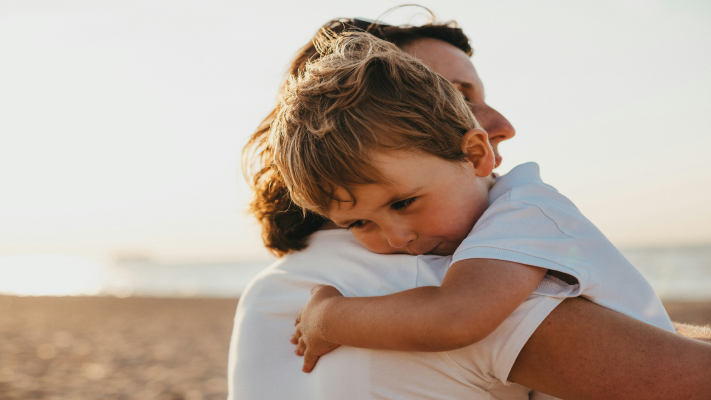
Children benefit from feeling emotionally safe, heard, and connected. Simple routines such as family dinners, bedtime conversations, and uninterrupted playtime with parents can strengthen emotional security.
It also helps to avoid overscheduling children with endless activities. Downtime allows the nervous system to recover. Kids need time to relax, daydream, and simply be children.
Sometimes emotional balance supports physical health more than parents expect.
The Importance of Hydration
Water may not sound exciting, but hydration plays an essential role in keeping the body functioning properly.
Fluids help transport nutrients, regulate body temperature, and support natural defense systems. Children who are mildly dehydrated may feel more tired, irritable, or sluggish.
Many kids become distracted during the day and simply forget to drink enough water. Offering water regularly, especially during hot weather or physical activity, can help maintain healthy hydration habits.
Soups, fruits, and water-rich foods also contribute to fluid intake naturally.
Sugary drinks, meanwhile, are best kept moderate. Occasional treats are perfectly normal, but daily habits built around heavily sweetened beverages may not support long-term health.
Why Constant Antibiotic Use Can Be Complicated
Antibiotics are sometimes necessary and lifesaving when used appropriately. However, they are not effective against viral infections like the common cold or flu.
Frequent or unnecessary antibiotic use can disrupt healthy gut bacteria, which may indirectly affect immune balance.
Parents understandably want quick relief when children are sick, especially after sleepless nights and stressful days. Still, it helps to trust medical guidance and avoid pushing for antibiotics when they are not needed.
Allowing the body to recover naturally from mild viral illnesses can sometimes support stronger immune learning over time.
Vaccinations and Preventive Care
Vaccines remain one of the most important tools in protecting children from serious infectious diseases.
Some parents think of immunity only in terms of natural remedies or diet, but preventive healthcare plays a critical role as well. Routine checkups allow doctors to monitor growth, development, and overall health while identifying concerns early.
Preventive care is not about fear. It is about giving children additional protection during the years when their immune systems are still developing.
Balanced health decisions usually combine healthy lifestyle habits with evidence-based medical care.
Building Healthy Habits Without Fear
One challenge many parents face is finding the balance between caution and anxiety. It is easy to become overwhelmed by constant advice about germs, toxins, food ingredients, and illness prevention.
But children do not need perfection to be healthy.
They benefit more from consistent routines than extreme rules. A child who gets enough sleep, eats reasonably balanced meals, plays outside, stays active, feels emotionally supported, and receives proper medical care is already building a strong foundation for long-term health.
Illness will still happen sometimes. That is part of childhood. The goal is not to eliminate every sickness but to help children recover well and develop resilience along the way.
Conclusion
Learning how to boost child immunity is really about supporting the whole child rather than chasing quick fixes. Strong immune health grows gradually through everyday habits that nourish both body and mind.
Nutritious meals, restful sleep, outdoor activity, emotional security, hydration, and balanced healthcare all work together to strengthen a child's natural defenses over time.
Parents often worry they are not doing enough, especially during cold and flu season. In reality, the small daily choices made consistently tend to matter most. A calm home, healthy routines, and emotional connection can shape a child's well-being in lasting ways.
Childhood immunity is not built through perfection. It is built slowly, naturally, and steadily through care, patience, and the ordinary rhythms of healthy living.