
Protein remains one of the biggest food trends of 2026, while plant-based eating continues to move into the mainstream. The useful question is no longer whether vegans can get enough protein, but which foods make it easiest. This vegan protein sources list gives practical serving sizes and approximate protein amounts, so you can build meals without turning every plate into a maths exercise.
UK guidance puts the adult Reference Nutrient Intake at about 0.75g of protein per kilogram of body weight per day, equivalent to roughly 45g for an average woman and 56g for an average man. Individual needs can be higher during pregnancy, illness, older age or intensive training. Values below are rounded estimates based mainly on UK food-composition data; brands, cooking methods and drained weights can change the final figure.
High-protein soya foods
1. Tempeh — about 20.7g per 100g. Fermented whole soya beans give tempeh a firm texture, making it excellent in stir-fries, curries and sandwiches.
2. Tofu — about 12.2g per 150g. Protein varies considerably between silken, firm and extra-firm tofu, so check the label when planning a high protein vegan meal.
3. Edamame — about 12.2g per 100g cooked. These young soya beans work as a snack, salad topping or quick addition to noodles and rice bowls.
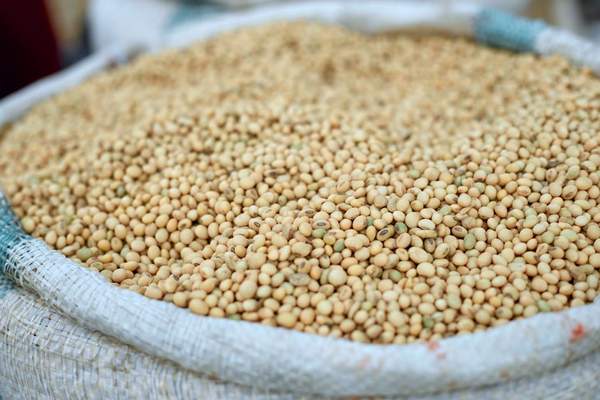
4. Cooked soya beans — about 14g per 100g. They are among the most concentrated whole-food plant based protein choices, although they are less widely stocked than chickpeas or lentils.
5. Fortified unsweetened soya drink — about 6g per 250ml. Choose a version fortified with calcium, vitamin D and vitamin B12 where possible, and compare labels because protein levels differ by brand.
Beans, lentils and peas
6. Canned chickpeas — about 12.6g per 150g drained. Blend them into hummus, roast them for crunch or add them to curries, soups and salads.
7. Cooked red lentils — about 12.2g per 150g. Their soft texture makes them ideal for dhal, soup, pasta sauce and shepherd’s pie fillings.
8. Cooked green or brown lentils — about 11.7g per 150g. They hold their shape better than red lentils and are particularly useful in salads and warm grain bowls.
9. Cooked aduki beans — about 14g per 150g. Their slightly sweet, nutty flavour suits stews, chilli and Japanese-inspired dishes.
10. Cooked black-eye beans — about 13.2g per 150g. Use them in tomato-based stews, rice dishes or fresh salads with herbs and lemon.
11. Canned cannellini beans — about 11.4g per 150g drained. Creamy and mild, they can thicken soups or be mashed onto toast.
12. Canned kidney beans — about 12.9g per 150g drained. They are a dependable choice for chilli, burrito bowls and mixed-bean salads.
13. Canned butter beans — about 8.9g per 150g drained. Their large, creamy texture works well in casseroles, blended sauces and traybakes.
14. Baked beans — about 10g per 200g. They are convenient vegan protein foods, but lower-salt and lower-sugar versions may be better for frequent use.
15. Boiled peas — about 10.7g per 160g. Peas are easy to overlook, yet a generous serving can make a meaningful contribution to protein and fibre.
Grains and everyday staples
16. Quinoa — about 6.9g per 50g dry weight. It cooks into a versatile base for salads, roasted vegetables and bean bowls.
17. Porridge oats — about 6.5g per 60g dry weight. Prepare them with fortified soya drink and add seeds or nut butter to raise the protein further.
18. Wholemeal bread — about 7.5g per 80g, typically two medium slices. Pair it with hummus, beans, tofu scramble or peanut butter for a more substantial meal.
19. Wholewheat spaghetti — about 9.4g per 180g cooked. Pasta is not usually marketed as a protein food, but a normal portion contributes more than many people expect.
20. Cooked brown rice — about 5.4g per 150g. It is not especially concentrated, yet it adds useful protein alongside beans, tofu or lentils.
Nuts, seeds and spreads
21. Peanuts — about 7.7g per 30g. Plain or dry-roasted peanuts are one of the more affordable high protein vegan snack options.
22. Almonds — about 6.4g per 30g. They also provide unsaturated fat, fibre and vitamin E, but portions matter because nuts are energy-dense.
23. Pumpkin seeds — about 7.3g per 30g. Sprinkle them over porridge, soup and salads, or mix them into homemade granola.
24. Sunflower seeds — about 5.9g per 30g. They are useful for people who avoid nuts and can be blended into seed butter or creamy sauces.
25. Tahini — about 5.6g per 30g. This sesame paste adds protein to hummus, dressings, sauces and toast while also contributing calcium and unsaturated fat.
How to use this vegan protein sources list
You do not need to combine “complementary” proteins at every meal. Eating a varied selection of pulses, soya foods, grains, nuts and seeds across the day normally supplies the essential amino acids your body needs. A simple approach is to include a recognisable protein source at each main meal, then use wholegrains, vegetables, nuts or seeds to add smaller amounts.
Protein is only one part of a well-planned vegan diet. NHS guidance also highlights vitamin B12, iodine, selenium, calcium, iron, omega-3 fats and vitamin D. Fortified foods and appropriate supplements can be important, particularly for vitamin B12 and during autumn and winter for vitamin D.
Frequently asked questions
What is the highest-protein food on this list?
By the serving sizes shown, tempeh provides the most at about 20.7g per 100g. Cooked soya beans and several beans also deliver substantial amounts.
Can vegans get enough protein without powder?
Yes. Most people can meet their needs through varied meals containing tofu, tempeh, beans, lentils, wholegrains, nuts and seeds. Protein powder is convenient, not compulsory.
Do plant proteins need to be combined in one meal?
No. Variety across the day is more important than carefully pairing foods at every sitting, provided your overall diet supplies enough energy and protein.
Are the protein figures exact?
No. They are rounded reference values. Variety, brand, water content, cooking method and whether beans are weighed drained can all affect the amount, so packaged-food labels remain the best guide.
Conclusion
A strong vegan diet does not depend on one “perfect” ingredient. The most reliable strategy is to rotate soya foods, pulses, wholegrains, nuts and seeds, building protein into meals you already enjoy. Keep this list as a practical reference, check labels when products vary, and focus on the balance of your whole diet rather than chasing protein numbers alone.