
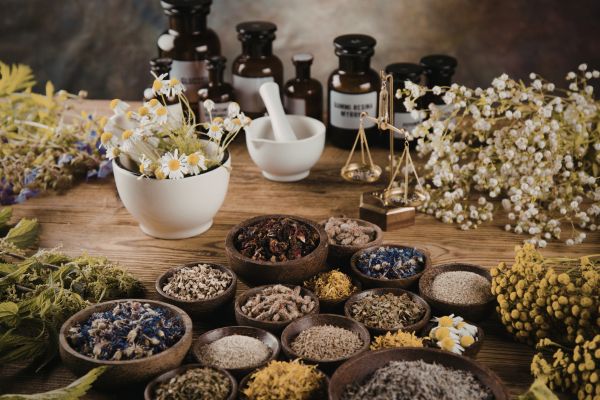
If you’ve ever dealt with that tight feeling in your chest, the racing thoughts, or that weird sense of dread that pops up for no good reason, then you probably know how overwhelming anxiety can be. And while modern medicine has its place, a lot of people are turning back to nature for relief. That’s where herbal medicine for anxiety comes in. It’s not some mystical, old-timey thing—these herbs have been researched, tested, and used for centuries. And honestly, let’s be real, there’s something comforting about the idea of calming your mind with something grown from the earth.
Understanding Why Herbal Medicine for Anxiety Is Becoming So Popular
The thing is, people are tired of quick fixes. Anxiety doesn’t magically disappear with a single pill, and for many, prescription options come with side effects that feel scarier than the symptoms they’re supposed to treat. That’s why herbal medicine for anxiety has been gaining traction. It offers a gentler approach—one that works with your body instead of numbing it.
Herbs like chamomile, ashwagandha, lavender, and passionflower aren’t new discoveries. They’ve been part of traditional healing systems for hundreds, sometimes thousands, of years. What’s new is how modern research is finally catching up, showing us how these plants interact with our nervous system in ways that feel almost intuitive once you understand them.
How Herbal Medicine for Anxiety Works in the Body
You know how sometimes your mind feels like it’s moving faster than your body can keep up? Herbal remedies help slow down that internal engine. Many herbs used in herbal medicine for anxiety work by influencing neurotransmitters—especially GABA, the calming chemical in the brain. When GABA levels rise, your nerves relax, your muscles loosen, and your thoughts stop spiraling all over the place.
Ashwagandha, for example, helps regulate cortisol, the hormone that spikes when you’re stressed. Lavender has compounds that literally interact with the brain receptors responsible for mood. Chamomile contains apigenin, which binds to certain receptors to promote mild sedation. None of this means herbs knock you out. They just help the body find its balance again.
Chamomile: The Classic Gentle Calmer
Chamomile might seem too simple, like something your grandmother would sip before bed. But don’t underestimate it. This little flower has been shown to soothe the nervous system almost effortlessly. If you’re new to herbal medicine for anxiety, chamomile is usually the easiest place to start. You can drink it as a tea, take it as a supplement, or even use it in aromatherapy.
There’s something almost ritualistic about making a warm cup of chamomile tea. The act itself slows you down, nudging your mind toward calmness. It won’t erase deep anxiety on its own, but it definitely softens the edges.
Ashwagandha: The Stress Shield Herb
If chamomile is gentle, ashwagandha is the herb that steps in and says, “Alright, let’s get this under control.” It’s known as an adaptogen, meaning it helps your body adapt to stress rather than fight against it. People often take it when their anxiety feels tied to burnout, exhaustion, or chronic overthinking.
The interesting part is that ashwagandha doesn’t just help you feel calmer—it supports overall energy and resilience. So you’re not just less anxious; you’re more stable, both physically and mentally. That’s one reason this herb is talked about so much in wellness circles.
Passionflower: The Herb That Helps Quiet the Noise
Ever feel like your mind just won’t shut up? Passionflower might be the herb for you. It’s used in herbal medicine for anxiety because of its ability to soothe a restless mind. People who deal with racing thoughts before bed often find relief with it.
Passionflower basically helps increase GABA levels in the brain. So instead of tossing and turning for hours, your mind settles into a calmer rhythm. Some people use it during the day in small doses and at night for deeper rest.
Lavender: A Calming Aroma With Real Science Behind It
Lavender isn’t just a pretty scent. It’s one of the most researched herbs for anxiety relief. Studies have shown that lavender oil capsules can significantly reduce general anxiety symptoms. That’s a big deal, considering how simple and accessible it is.
Using lavender as part of your herbal medicine for anxiety routine doesn’t have to be complicated. A diffuser in your room, a few drops on your pillow, or a warm bath with lavender salts can be surprisingly effective. There’s just something about the way it calms the senses. Even a quick inhale can make you breathe a little deeper.
Lemon Balm: The Subtle Mood Brightener
Lemon balm is one of those herbs that quietly works in the background. It’s part of the mint family and has been used for centuries to help with nervousness and restlessness. If you prefer something mild but consistent, this herb fits right in. People often mix it with other calming herbs for an extra boost.
It doesn’t cause drowsiness when used properly, so it’s a good daytime option if you’re trying to stay productive without feeling wired.
Is Herbal Medicine for Anxiety Safe?
This is where a bit of honesty matters. Just because something is natural doesn’t mean it’s right for everyone. Most herbs are safe when used correctly, but they can interact with medications or cause side effects if you take too much. The best move is to talk to a healthcare provider—ideally someone familiar with herbal therapies.
But generally, when people incorporate herbal medicine for anxiety responsibly, they experience fewer side effects compared to synthetic medications.
How to Use Herbal Remedies in Everyday Life
You don’t need to overhaul your entire lifestyle to make herbs work for you. Start small. Maybe a chamomile tea at night, a lavender diffuser while you work, or a low dose of ashwagandha during stressful weeks. The key is consistency. Herbs often work gradually, gently nudging your nervous system toward balance.
And honestly, let’s be real—herbs are only part of the picture. Pairing them with good sleep, regular movement, deep breathing, or mindfulness makes the results even stronger. Think of herbs as supportive allies rather than miracle cures.
Why Herbal Medicine for Anxiety Feels So Empowering
There’s something healing about taking charge of your mental health in a way that feels natural and intuitive. With herbal remedies, you’re not just suppressing symptoms—you’re giving your body tools to regulate itself. And that’s empowering, especially when anxiety has a way of making you feel out of control.
Herbal medicine for anxiety offers a bridge between modern science and ancient wisdom, giving you options that feel less intimidating and more in tune with everyday life.
Final Thoughts
Anxiety can feel like a heavy fog that follows you everywhere, but it doesn’t have to stay that way. With herbal medicine for anxiety, you have gentle, effective tools that support your mind and body. Whether you choose chamomile, lavender, ashwagandha, passionflower, or lemon balm, each herb offers its own kind of calm.
Take your time exploring what works for you. Start slow, stay consistent, and pay attention to how your body responds. Natural remedies don’t shout—they whisper. And sometimes, that quiet support is exactly what you need to breathe easier and feel more grounded again.