
There’s something quietly powerful about movement. Not the kind that chases perfection or aesthetics, but the kind that reconnects you with your body—especially when you’re trying to conceive. In recent years, more women have begun exploring how lifestyle, including physical activity, can influence reproductive health. And while exercise isn’t a magic switch, certain fertility boosting exercises can gently support the body’s natural rhythms in meaningful ways.
This isn’t about intense gym routines or pushing limits. In fact, when it comes to fertility, less can often be more. The goal is balance—encouraging circulation, reducing stress, and creating a supportive internal environment.
Understanding the Link Between Movement and Fertility
Before diving into specific fertility boosting exercises, it helps to understand why movement matters in the first place. Fertility is influenced by a combination of hormonal balance, blood flow to reproductive organs, stress levels, and overall metabolic health. Exercise, when done mindfully, touches all of these areas.
Gentle physical activity improves circulation, ensuring that the ovaries and uterus receive a steady supply of oxygen and nutrients. It also helps regulate hormones by supporting insulin sensitivity and reducing excess cortisol—the stress hormone that can interfere with ovulation.
But here’s where it gets nuanced. Too much exercise, particularly high-intensity training, can disrupt menstrual cycles and reduce fertility. That’s why the focus should always be on supportive, moderate movement rather than extremes.
The Quiet Strength of Yoga for Fertility
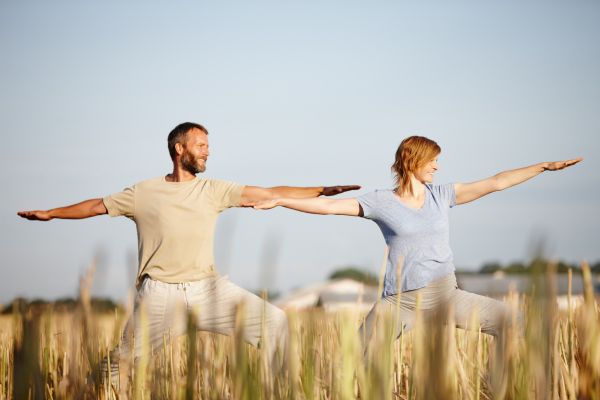
Yoga often comes up in conversations about fertility, and for good reason. It’s not just about stretching or flexibility; it’s about connection—between breath, body, and mind.
Certain yoga poses are thought to stimulate blood flow to the pelvic region, helping nourish reproductive organs. Poses that open the hips, such as gentle lunges or seated stretches, can create space and relaxation in areas that tend to hold tension.
What makes yoga particularly effective as one of the most recommended fertility boosting exercises is its calming effect on the nervous system. Stress plays a surprisingly large role in reproductive health, and practices that encourage relaxation can indirectly support ovulation and hormonal balance.
Even a short daily session—ten to fifteen minutes—can begin to shift how the body feels. It’s less about perfect poses and more about consistency.
Walking as a Foundation for Hormonal Balance
Sometimes the simplest forms of movement are the most impactful. Walking, often overlooked, is one of the most accessible fertility boosting exercises available.
A steady, moderate-paced walk helps regulate blood sugar levels, supports cardiovascular health, and encourages gentle circulation throughout the body. For women dealing with conditions like polycystic ovary syndrome (PCOS), regular walking can be especially beneficial in improving insulin sensitivity.
There’s also something grounding about walking outdoors. Fresh air, sunlight, and the rhythm of your steps can help ease mental tension—another factor that subtly influences reproductive health.
It doesn’t require a strict schedule. Even a 20 to 30-minute walk most days of the week can make a noticeable difference over time.
Strength Training in Moderation
Strength training might not immediately come to mind when thinking about fertility, but when approached carefully, it can be a valuable addition.
Building muscle supports metabolic health, which in turn helps regulate hormones. Balanced strength training can also improve body composition, particularly for women who are working toward a healthy weight—a factor closely linked to fertility.
The key is moderation. Heavy, intense lifting sessions that push the body into constant fatigue may have the opposite effect. Instead, focus on lighter resistance, controlled movements, and proper recovery.
Exercises like bodyweight squats, gentle resistance band work, or light dumbbell routines can support overall strength without overwhelming the body. When done two to three times a week, this type of training fits comfortably within a fertility-supportive routine.
The Role of Pelvic Floor and Core Awareness
The pelvic region is central to reproductive health, yet it’s often neglected in conventional exercise routines. Bringing awareness to this area can be surprisingly beneficial.
Gentle pelvic floor exercises help improve circulation and support the muscles that surround the uterus and ovaries. Unlike intense core workouts, these movements are subtle and controlled.
Practices like diaphragmatic breathing, where the breath expands the abdomen and pelvic floor, can enhance relaxation and oxygen flow. This type of breathing also reduces tension, which can sometimes accumulate in the lower abdomen due to stress or prolonged sitting.
It’s not about strengthening for performance—it’s about creating a supportive environment within the body.
Swimming and Low-Impact Movement
Low-impact exercises, such as swimming, offer a unique blend of relaxation and full-body engagement. The water supports your body weight, reducing strain on joints while still encouraging movement.
Swimming can improve cardiovascular health, enhance circulation, and provide a calming sensory experience. For women who find high-impact workouts too stressful or tiring, this can be a refreshing alternative.
Even gentle aquatic movements, like water walking or light stretching in the pool, can contribute to the benefits associated with fertility boosting exercises.
Stress Reduction Through Mindful Movement
One of the less obvious—but deeply important—connections between exercise and fertility is stress reduction. Chronic stress can interfere with the hormonal signals that regulate ovulation and menstrual cycles.
Mindful forms of movement, including yoga, tai chi, or even slow stretching routines, help activate the parasympathetic nervous system—the body’s “rest and restore” mode.
When the body feels safe and relaxed, it’s more likely to maintain balanced hormone levels. This doesn’t mean stress disappears entirely, but it becomes more manageable.
Sometimes, the most effective fertility boosting exercises are the ones that make you feel calm, not exhausted.
Finding the Right Balance for Your Body
There’s no one-size-fits-all approach to fertility and exercise. What works beautifully for one person may feel draining for another. That’s why tuning into your body is essential.
Signs that your exercise routine is supportive include regular menstrual cycles, stable energy levels, and a sense of well-being after workouts. On the other hand, excessive fatigue, missed periods, or persistent soreness may signal that it’s time to scale back.
Listening to your body requires patience, especially in a world that often celebrates pushing limits. But when it comes to fertility, gentleness often yields better results.
The Emotional Side of Movement
Trying to conceive can be an emotional journey, filled with anticipation, hope, and sometimes frustration. Exercise, when approached thoughtfully, can become more than just a physical activity—it can be a form of emotional release.
Moving your body creates space for thoughts to settle. It offers moments of clarity and, occasionally, unexpected calm. Whether it’s a quiet yoga session at home or a walk at sunset, these small rituals can provide a sense of control and connection during an otherwise uncertain time.
That emotional balance, though intangible, plays a meaningful role in overall well-being.
Integrating Fertility Boosting Exercises Into Daily Life
Incorporating these practices doesn’t require a complete lifestyle overhaul. Small, consistent steps are often more effective than dramatic changes.
A short morning stretch, a walk in the evening, or a couple of gentle strength sessions each week can gradually build a supportive routine. Over time, these habits become part of your rhythm rather than something you have to force.
The focus should always remain on sustainability. It’s better to move gently and consistently than to push hard and burn out.
A Gentle Perspective on Progress
It’s easy to approach fertility with a sense of urgency, wanting to do everything perfectly. But the body doesn’t respond well to pressure. It responds to care, consistency, and balance.
Fertility boosting exercises are not a guarantee, nor are they a quick fix. Instead, they’re a way of supporting your body—of creating conditions that may improve your chances while also enhancing your overall health.
And sometimes, that shift in perspective makes all the difference.
Conclusion
Fertility is deeply personal, shaped by a complex interplay of physical, emotional, and environmental factors. While exercise alone cannot determine outcomes, the right kind of movement can quietly support the body in meaningful ways.
From the calming flow of yoga to the steady rhythm of walking, fertility boosting exercises offer more than physical benefits. They encourage balance, reduce stress, and foster a deeper connection with your body.
In the end, it’s not about doing more. It’s about doing what feels right—moving with intention, listening closely, and allowing your body the space it needs to find its own rhythm.